
Roller Skate Wheel Hardness: A Surface-by-Surface Guide
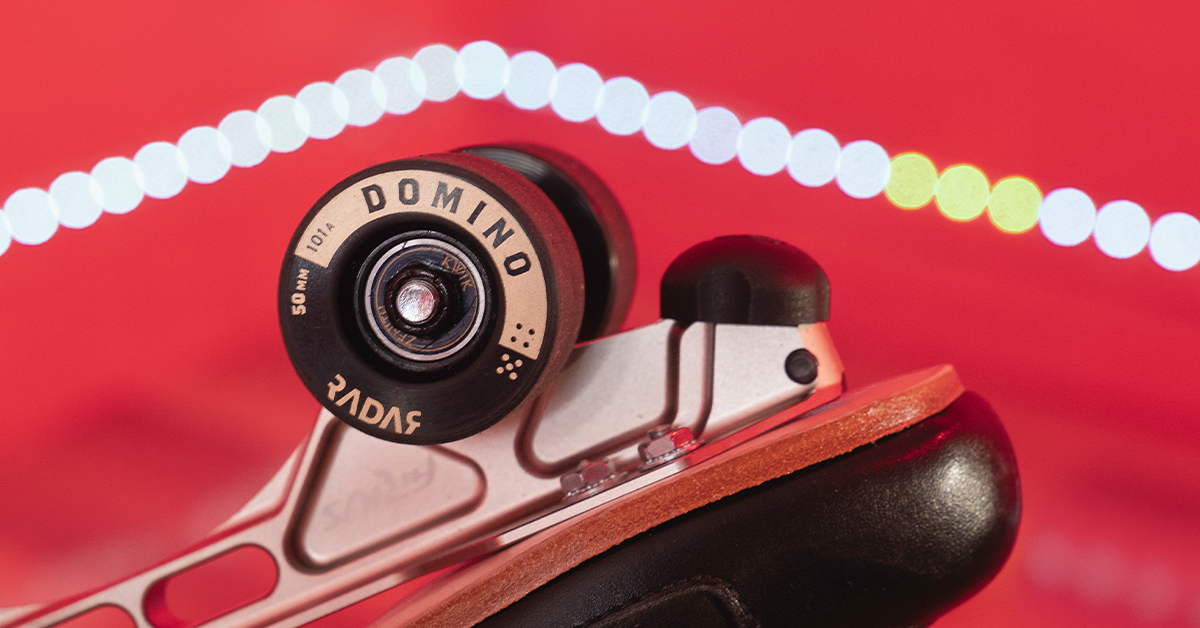
New and casual roller skaters don’t always think about the effect their wheels have on skating. That is, until it makes an obvious difference in their performance. If you feel like you’re skating too slowly on a rink or the outdoor surface is rougher than it should be, it may be time to consider a wheel change.
Roller skate wheel hardness—as measured using a durometer rating on the A scale—affects how your skates grip, glide, and absorb impact. The surface you typically skate on is one of the main factors in deciding what wheel is right for you.
What Durometer Means
Wheel durometer is a rating of wheel hardness on a numbered scale. For roller skate wheels, that range commonly runs between 78A on the soft end and 101A on the hard end. For more grip and impact absorption, skaters go with softer wheels. For a faster glide and less resistance, harder wheels are better.
Here’s a wheel durometer chart. Consider it a quick reference for where different hardnesses typically land:
| Durometer | Feel | Best For |
| 78A–85A | Soft | Rough outdoor surfaces, trails, cracked pavement |
| 86A–91A | Medium | Smooth pavement, mixed surfaces |
| 92A–97A | Medium-hard | Smooth indoor rinks, sport courts |
| 98A–103A | Hard | Competitive indoor skating, speed, dance for sliding |
Indoor Rink Surfaces
Most indoor rinks have smooth, consistent surfaces that don’t require much grip from your wheels. So, you’ll want a wheel set on the harder end of the spectrum. The harder the wheel, the more freely it will glide on a smooth floor.
Expert Tip: Going too soft on a rink floor is a common mistake for beginner skaters, especially if they’re accustomed to skating outdoors. This results in a sticky, slow feel that works against you rather than for you.
Indoor Surface Durometer Recommendation
The best rating for indoor wheels is in the 88A-101A range.
- Casual/recreational rink skating: 88A-93A. Enough hardness to glide well without feeling too slippery for newer skaters.
- Sport court derby skaters will find themselves in that 88A-93A range as well, which is a good starting point if you’re shopping for a derby-specific setup.
- Fitness skating: 93A-97A. Faster roll for skaters who are comfortable and pushing for more speed.
- Competitive/speed/rhythm skating: 97A-101A. Maximum glide and minimum resistance for experienced skaters.
Outdoor Rink Surfaces
It’s likely no surprise to you that outdoor surfaces vary more than indoor surfaces. Unlike rink floors, outdoor surfaces often have cracks and debris that work against your wheels. So, the durometer rating should be a little more precise, matching up with the surface roughness you’re typically skating on.
Outdoor Surface Durometer Recommendation
- Smooth pavement and boardwalks: 85A-88A. Enough grip for minor imperfections without giving up too much roll speed.
- Rough pavement and asphalt: 78A-85A. Softer wheels absorb the chatter and vibration that comes with cracked or uneven surfaces.
- Trails and packed gravel: 78A and below. The softest end of the range for the most unpredictable terrain.
Expert Tip: Going too hard on your wheel durometer may mean you feel more bumps and lose control easier.
Multi-Surface Skating
For multi-surface skaters, there are three practical wheel set options.
- Two or more wheel sets. You keep one for each environment and swap as needed. If you’re not used to wheel swapping, know that it’s not as much of a hassle as you may think.
- Mid-range wheels. Having a wheel set with a rating somewhere between 86A and 91A can give more casual skaters a happy medium if they don’t want to swap out sets. You won’t get the best of both worlds, but you’ll have what you need.
- Mixing wheel hardness. Some skaters opt for this route. With softer wheels on the inside edges for grip and harder wheels on outside edges for speed. This is a bit more of a next-level choice, but worth it for skaters who want something more dynamic. This approach is common among derby skaters.
Weight & Skating Style Considerations
While the surface plays a big part, body weight and skating style can also influence your wheel hardness decision. Heavier skaters tend to add more pressure to the urethane (rubber-like material the wheel is made of), resulting in extra grip harder wheels may offset.
Meanwhile, lighter skaters—adding less pressure—may consider a wheel with a slightly softer rating for achieving adequate traction.
In terms of skating style: If you’re skating for fitness or speed, lean toward harder wheels for maximum roll. If you’re skating casually, then softer wheels are a better bet for comfort without much downside.
Signs Your Wheel Hardness Is Wrong
Your wheel hardness may be working against you if you notice any of the following:
Too soft:
- Sticky, slow feeling on smooth rink floors
- Faster-than-normal wheel wear on outdoor surfaces
- Struggling to maintain speed
Too hard:
- Every crack and bump translates directly to your feet
- Sliding out or losing grip on turns
- General harshness on rougher surfaces
Sometimes wear is part of the problem, in which case it may be time to replace rather than swap.
FAQs
Yes, a wheel with mid-range hardness can be a good compromise. However, a better long-term solution would be swapping two dedicated sets or, if you’re confident enough, mixing hardnesses.
It does. Body weight affects the urethane compression underfoot, which then affects how much grip and roll you get from the wheels.
If your skating feels sluggish or too slippery, odds are it’s a wheel hardness issue. We provide a breakdown in the wheel durometer chart above.